A dependable heating system is essential for maintaining comfort, indoor air quality, and energy efficiency during colder months. When heating equipment begins to fail, homeowners often notice uneven temperatures, rising utility bills, or unusual noises before complete breakdowns occur. Addressing these issues quickly helps prevent expensive repairs while keeping homes warm and safe. Professional HVAC care plays a major role in restoring heating performance and extending system lifespan.
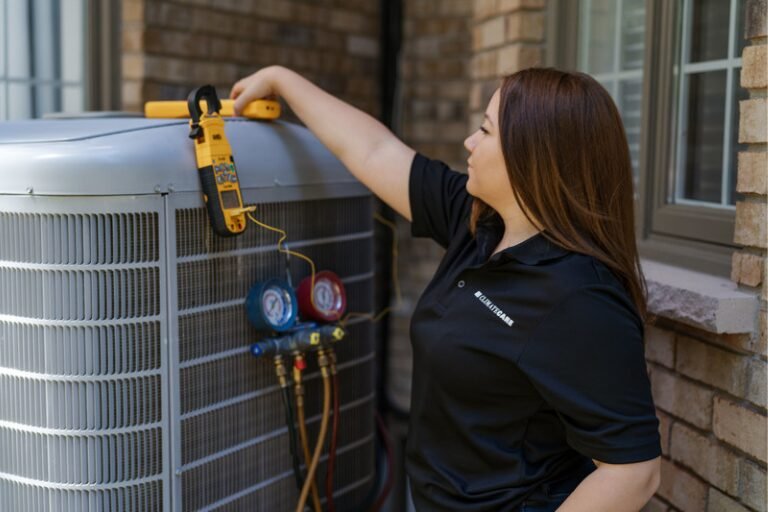
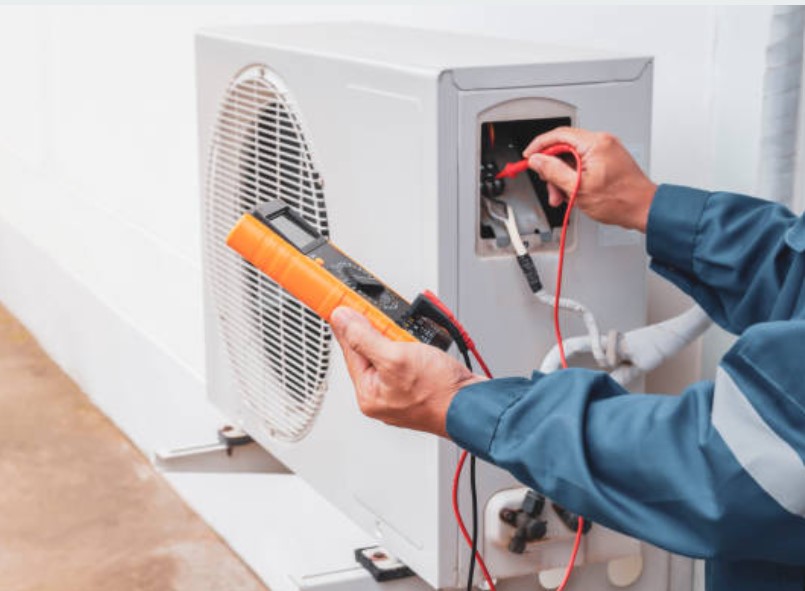
Many homeowners rely on professional heating service providers when furnaces, heat pumps, or boilers stop operating efficiently. Skilled HVAC technicians can identify hidden problems, restore airflow, improve system safety, and reduce energy waste. Prompt repairs not only improve home comfort but also protect important heating components from additional strain caused by delayed maintenance or neglected mechanical issues.
Uneven Heating Throughout the Home
One of the most common heating complaints involves inconsistent room temperatures. Some areas may feel too warm while others remain cold, creating discomfort and unnecessary thermostat adjustments. This issue often points to airflow restrictions, duct leaks, thermostat problems, or aging equipment that struggles to distribute heat evenly throughout the property.
Causes of Uneven Heating
Blocked vents, dirty filters, damaged ductwork, or improperly sized heating systems can all contribute to uneven temperatures. HVAC technicians inspect airflow patterns, system calibration, and duct conditions to identify the root cause. Professional repairs help restore balanced heating while supporting energy efficiency and lower monthly utility expenses.
Dirty Filters and Restricted Airflow
Air filters protect heating systems from dust, debris, and airborne contaminants. When filters become clogged, airflow decreases significantly, forcing heating equipment to work harder than necessary. Restricted airflow can increase wear on internal components while reducing indoor comfort and raising energy costs throughout the heating season.
Professional heating service technicians often recommend replacing filters every one to three months depending on household conditions, pets, and indoor air quality concerns. Clean filters improve airflow, reduce strain on heating equipment, and support healthier indoor environments by limiting dust and allergens circulating through the home.
Warning Signs of Airflow Problems
- Weak airflow from vents
- Excess dust buildup
- Higher heating bills
- Frequent system cycling
- Uneven room temperatures
- Increased allergy symptoms
Recognizing these warning signs early can help homeowners avoid larger heating system failures.
Furnace Ignition and Pilot Light Problems
Gas furnaces depend on ignition systems or pilot lights to produce consistent heat. When ignition components fail, homeowners may experience delayed heating, repeated shutdowns, or no heat at all. These issues often develop from worn electrical parts, gas supply interruptions, or dirt accumulation inside critical furnace components.
Common Furnace Ignition Issues
Faulty flame sensors, broken igniters, thermocouple failures, or pilot light problems can prevent normal furnace operation. Professional HVAC technicians safely inspect gas connections, electrical systems, and ignition components to restore reliable heating performance while reducing safety concerns linked to combustion systems.
Thermostat Malfunctions and Temperature Inaccuracy
Thermostats control how heating systems respond to indoor temperature changes. Even small thermostat issues can affect comfort, energy efficiency, and heating reliability. Incorrect calibration, weak batteries, damaged wiring, or outdated thermostats may prevent systems from maintaining proper temperatures consistently.
Homeowners frequently schedule professional heating service appointments when thermostats fail to communicate correctly with furnaces or heat pumps. Upgrading to programmable or smart thermostats often improves temperature control while lowering energy consumption and supporting more efficient daily heating schedules.
Benefits of Smart Thermostat Upgrades
- Better temperature accuracy
- Lower energy costs
- Programmable heating schedules
- Improved indoor comfort
- Remote system control
- Reduced system strain
Modern thermostat technology helps homeowners maintain comfort while improving overall HVAC efficiency.
Strange Noises Coming From Heating Equipment
Heating systems should operate quietly during normal use. Loud or unusual noises often indicate mechanical wear or airflow restrictions that require professional attention before more serious damage develops. Ignoring these sounds can lead to larger repair expenses and reduced heating performance over time.
Common Heating System Noises
Banging sounds may signal expanding ductwork or ignition delays, while squealing often points to worn belts or motor issues. Rattling can indicate loose components, and grinding noises may suggest blower motor problems. HVAC technicians can inspect these mechanical concerns before they worsen.
Short Cycling and Frequent Shutdowns
Short cycling occurs when a heating system repeatedly turns on and off without completing a full heating cycle. This problem places excessive strain on equipment, increases utility bills, and reduces indoor comfort. Several heating issues may contribute to this inefficient operating pattern.
Causes of Short Cycling
Dirty filters, overheating components, thermostat placement issues, or improperly sized systems can trigger short cycling. Professional diagnostics help identify the underlying problem while restoring proper heating performance and protecting equipment from premature wear and unnecessary stress.
Maintenance Habits That Reduce Heating Problems
- Replace filters regularly
- Schedule annual HVAC inspections
- Keep vents unobstructed
- Monitor unusual noises
- Seal air leaks around windows
- Test thermostat settings often
Consistent preventative maintenance helps reduce emergency repairs and improve heating efficiency.
Poor Indoor Air Quality During Heating Season
Heating systems influence indoor air quality by circulating air throughout the home. Dirty ducts, clogged filters, or neglected HVAC equipment can increase airborne dust, allergens, and dryness during winter months. Professional heating maintenance supports cleaner indoor environments and better respiratory comfort.
HVAC Solutions for Cleaner Indoor Air
Technicians may recommend duct cleaning, humidity control systems, upgraded filtration, or airflow improvements to address indoor air quality concerns. These upgrades help homeowners maintain healthier living spaces while improving heating system performance and energy efficiency during colder weather.
Conclusion
Professional HVAC service helps resolve many common heating problems that affect comfort, efficiency, and home safety. From uneven heating and dirty filters to thermostat failures and strange system noises, prompt repairs can prevent costly breakdowns while extending equipment lifespan. Regular maintenance also improves airflow, indoor air quality, and energy savings throughout the heating season. By recognizing early warning signs and scheduling professional inspections, homeowners can keep their heating systems operating reliably while maintaining a warm, comfortable, and energy-efficient home year-round.
About the Author